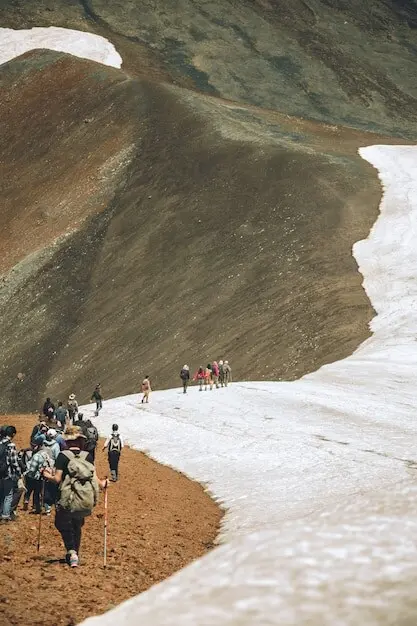
Magnetic Air Among High Valleys
Today we dive into analog audio field recording in Alpine landscapes, celebrating the hum of reels, the hush of snow, and the patient craft of capturing mountains without screens. Expect practical techniques, heartfelt stories, and careful ethics shaped by altitude, weather, and solitude, so you can build expressive, archival-quality tapes that carry wind-carved contours, distant bells, and glacial murmurs home.
Packing Reels for Thin Air
Cold, altitude, and granite dust challenge every hinge, spring, and capstan. Here we outline how to prepare a robust kit, protect lubrication, tame condensation, and keep meters honest when oxygen is scarce. You will learn field-proven tricks that keep oxide on track and your hands warm enough to thread leaders without fumbling.
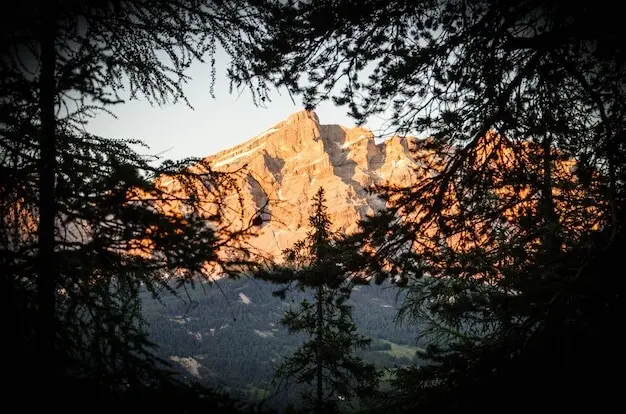
Choosing a Recorder That Survives Frost
Mechanical stability matters more than a spec sheet at altitude. Quartz-locked capstans, generous pinch-roller pressure, and proven transports like a Nagra IV‑S or Sony TC‑D5 shrug off thin air and stiff grease. Carry silica gel, spare belts, and a soft brush, because frozen grit will find the tiniest path.
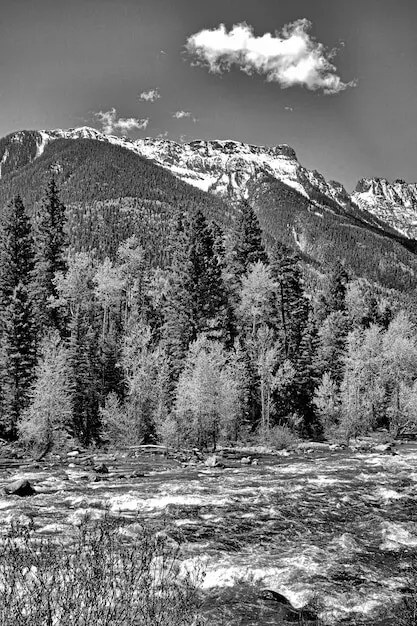
Selecting Tape and Calibration for Height
High-bias formulations such as SM911 or SM900 handle cold starts gracefully and forgive small level swings, while LPR35 stretches long hikes. Warm reels before critical takes, and verify azimuth with a 10 kHz tone; temperature shifts can skew phase, so check head alignment and set reference flux carefully.
Listening Paths Through Granite Silence
Scouting lines is an act of patience and reading air. Ridges funnel gusts, bowls gather low thunder, and forests sip noise like moss drinks meltwater. We explore maps, microclimates, and seasonal rhythms to place microphones where distant bells, marmot whistles, and meltwater braids breathe naturally without overwhelming the reels.
Reading Valleys Like Acoustic Rooms
Granite faces throw crisp early reflections, yet meadows diffuse clatter into velvet. Stand still, count the reverb tail after a pole tap, and note how a stream’s hiss masks high birds. Sketch wind corridors on your map, then choose a ridge shadow that balances detail and warmth.
Timing the Light for the Quietest Moments
Before cable cars hum and hikers trade stories, dawn brings a fragile hush shaped by cold air settling down-slope. Snow absorbs footfall and insects sleep, letting bells, ravens, and thaw drips appear. Track sunrise angles, and schedule reels when the mountain’s pulse beats slowest and clearest.
Marking Safe Access Without Losing Solitude
Route planning preserves both safety and sound. Consult avalanche bulletins, watch cornices, and avoid couloirs acting like wind trumpets. Share coordinates privately with a contact, then cut headlamps early to arrive quietly. Your path should protect habitat, your privacy, and the dreamy clarity that tape honors so faithfully.
Keeping Wind at Bay, Hands Off the Tape
Air moves with teeth at altitude, and your body is a noise machine. With the right blimps, shock mounts, and glove discipline, the reels turn without bumps. We compare windshield builds, handling habits, and stereo arrays that hold an image steady when gusts test patience and placement.
Dawn Bells Above Zermatt
I set up before first pink on the Matterhorn, blimp crouched behind a boulder, Nagra IV‑S idling on SM900. Cowbells drifted from a pasture, then thinned as wind lifted. A raven signed the head and left space where snowmelt threads wove a gentle, unrepeatable braid.
A Glacier’s Breath at Night
I camped near a safe moraine and waited until tourists slept. The glacier cracked like timber under distant pressure, and katabatic wind pressed the fur against the basket. A single pass, thirty meters back, caught pops, groans, and the low, breathing drone of ice remembering storms.
Condensation Protocols When Coming Indoors
Seal recorder and microphones in airtight bags before entering a warm hut, then wait until temperatures equalize. Wipe cables, open battery doors last, and resist powering up too early. Patience prevents corrosion, warped felt, fogged meters, and the slow, invisible damage that steals fidelity months later.
Splicing, Leaders, and Notes on the Trail
Bright leaders save headaches when light fades. Carry a tiny block, razor, and tape tabs, then cut only when hands are calm. Mark takes with altitude, aspect, mic array, and weather, because future edits depend on breadcrumbs you leave between footsteps, coffee stains, and gentle triumphs.
Wildlife First, Recordist Second
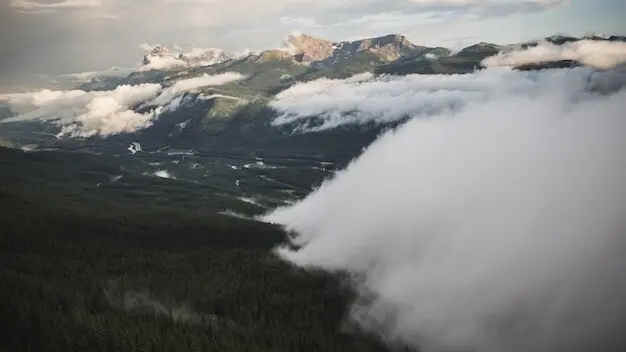
Breeding cliffs and nursery meadows deserve margins. Learn each park’s guidance, carry binoculars, and observe from afar using longer cables. If behavior changes, retreat immediately. Bell collars, burrows, and roosts are not props; your patience and humility become part of the sound, even when microphones stay capped.
Quiet Practices Near Villages and Trails
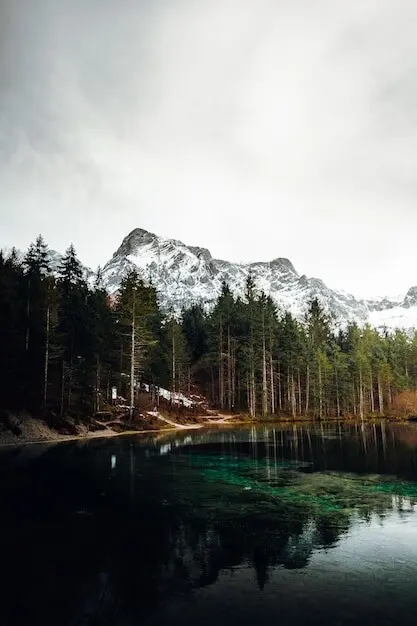
Respect working days, church bells, and privacy near chalets. Ask before lingering, share intentions, and keep gear discreet. Record from public land, turn away from windows, and avoid children’s play areas. Later, anonymize voices and landmarks, so beauty remains while neighbors feel honored rather than exposed.
Weather and Avalanche Awareness
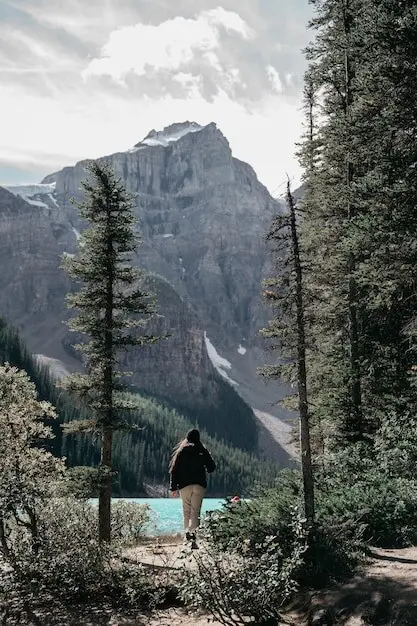
Sound hunters are weather students. Read the avalanche bulletin, note wind slabs, and choose low-angle forests when risks rise. Carry transceiver, probe, and shovel, but favor avoidance over rescue fantasies. A beautiful tape can wait; your partners and future listeners prefer your safe return.
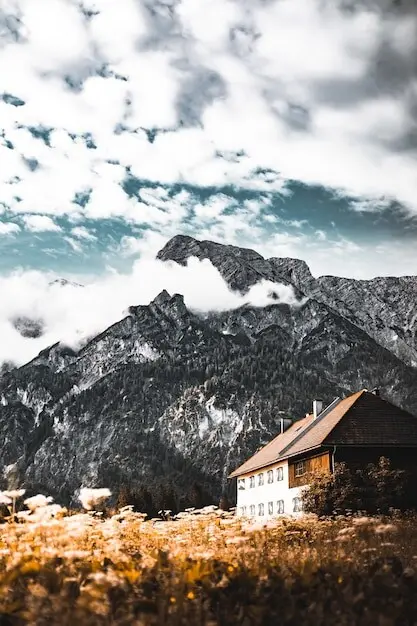
Share Your Waves, Join Our Camp
Let’s turn solitary hours into a conversation. Post questions, swap tape notes, and show locations responsibly without inviting crowds. We host challenges, listening sessions, and gentle critiques, encouraging kindness and rigor. Subscribe for guides, maps, and calls for sounds that help the mountains travel through headphones everywhere.
Pick sixty seconds that carry a place: bells rolling over pasture, creek harmonics under ice, boots scuffing frost. Share a link and the backstory, including gear, settings, and weather. We will feature thoughtful submissions, and learn from contrasts stitched together by tape hiss and patience.
Wondering whether a portable deck will hold speed at altitude, or which blimp sheds rime? Ask in the comments. Share fixes, manuals, and photos of triumphant bodges. Your experiences save trips from failure, and newcomers gain confidence to step into quiet without fear or fuss.