From Sketchbook to Summit: Handcrafted Backcountry Gear
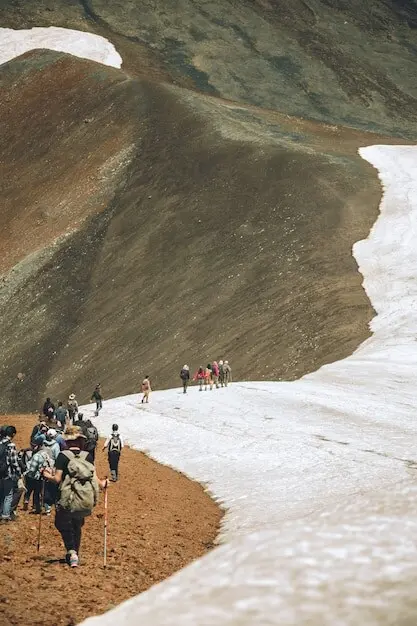
Handcrafted backcountry gear, carried from the first pencil line in a battered sketchbook to the wind-chilled breath at a hard-earned summit, shapes our entire journey today. We’ll walk the creative path that turns field problems into durable solutions, learning how material choices, stitches, and prototypes earn trust under sleet, sun, and heavy miles. Expect honest shop talk, field notes, and stories about decisions that matter when straps bite, buckles freeze, or a ridge run stretches longer than planned. Bring curiosity, questions, and your own trail wisdom.
Design Sparks and Field Needs
Every useful detail begins with a moment of discomfort or delight on the trail: a strap that rubs raw during a steep ascent, a pocket that perfectly swallows a map, a zipper you can grab with numb fingers. Translating those experiences into reliable gear means listening to hikers, climbers, and skiers, then sketching not what looks impressive, but what solves real problems. One winter crossing, a frayed shoulder webbing forced a hasty repair that later inspired a new reinforcement pattern, saved grams, and prevented cold-finger fumbles.
Ultralight Without Fragility
Cutting weight must never amputate safety. Thoughtful reinforcement only where loads concentrate, careful grain orientation, and smarter pattern nesting keep grams low while resisting creep. Hybrid panels combine Dyneema in high-wear zones with lighter bodies elsewhere. Even zipper choices affect longevity and failure modes. Ultralight shines when fatigue disappears and confidence remains, mile after mile, in stubborn weather and demanding terrain.
Natural Textures, Technical Performance
Waxed canvas and wool trims add quiet, tactile calm to gear that still performs in sleet. Natural fibers breathe, age beautifully, and invite needle-and-thread repairs far from a workshop. Paired strategically with laminates, they tame crinkle, manage moisture, and minimize microplastic shedding. Beauty and function collaborate rather than compete, creating equipment that travelers keep, maintain, and proudly hand down after seasons of grit.

Prototyping to Production-Ready
A first prototype rarely deserves a trail. Muslin mockups, cardboard fixtures, and paper patterns test volume, reach, and strap placement without wasting premium fabric. Once form behaves, cutting real materials reveals stretch, squeak, and sewability. Jigs ensure repeatable bartacks; chalk marks guide load paths across gussets and curves. Small-batch builds suffer, learn, and improve until stitching, edges, and tolerances run like a practiced route you can trust at dusk.
Weather as an Unforgiving Reviewer
Rain reveals seam honesty. Heat exposes back-panel breathability. Powder tests zipper garages and pull tabs. When black ice stiffens webbing, glove dexterity becomes truth. Field tests in varied climates force designs to transcend local conditions. A pack that behaves in coastal drizzle and high-altitude spindrift earns a reputation that marketing cannot fake, and users will champion with stubborn, experienced voices.
Trail Logs, Photos, and Data
A notebook rides in the lid, capturing mile markers, rub points, snack access, and glove experiences. Photos freeze strap angles, sway, and snow accumulation. Scale readings before and after trips tell stories about water ingress and hidden redundancies. Patterns appear across testers and terrain, pointing to improvements that feel small on paper but become thunderously noticeable at hour six on a crumbling scree traverse.
Refinement in Tiny Increments
One centimeter in strap height resets shoulder comfort. A two-millimeter foam change alters breathability enough to reduce back sweat significantly. Re-angling a pocket by a few degrees stops a trekking pole tip from escaping. The art lies in noticing which micro-adjustments compound into massive comfort, then locking them confidently so reliability remains thoughtful rather than accidental across every build.
Harness Geometry that Moves With You
Bodies twist, scramble, and breathe unevenly on real terrain. Harness geometry that welcomes torsion keeps breathing easy and shoulders alive. Thoughtful anchor spacing lets straps pivot instead of fighting ribs. Softer edge bindings tame hot spots, while lumbar pads share duty with hips. The result is a pack that disappears until you reach for a snack and realize you forgot it existed.
Balance on Scree, Snow, and Slabs
Load sway on scree steals confidence. A snug, tapered profile keeps mass centered over feet, while compression straps cinch micro-movements that become macro-fatigue. Low-friction back panels shed snow clumps; ice axe loops clear crampon points. Side pockets ride high to avoid heel kicks. Balance is not a promise; it is a disciplined set of decisions repeated across pattern pieces.
Fit Across Bodies, Seasons, Layers
Summer baselayers and winter down parkas demand different strap real estate. Sliding sternum hardware, multiple torso lengths, and hipbelt swaps respect bodies and seasons. Generous adjusters tolerate puffy gloves, while keepers tame tail webbing. Inclusive fit is not an accessory; it is a baseline that ensures partners of different builds can share trust in the same rugged equipment.
Designing for Repair and Longevity
Zippers eventually tire; webbing frays; foam compresses. When panels unbolt instead of surrender, repairs happen in evenings, not months. Modular pieces, standardized buckles, and clear stitch lines empower trail fixes with needles, tape, or tiny torches. Investing in durability and rebuildability respects budgets, ecosystems, and memories attached to the mud, salt, and laughter etched into each pack’s fabric.
Stories from First Peaks and Hard Lessons
A reader’s note about a windy bivy changed our hood drawcord routing. Another’s photo from a glaciated pass exposed ice buildup on a buckle. These stories are co-design in plain sight, guiding quiet improvements that later feel obvious. Send yours, with gritty details and triumphant grins, so future travelers inherit smarter, calmer equipment for hungry, beautiful days outside.